The point of a low backhand slice is not the baseline; it is forcing the opponent to make a decision below the knee.
A slice that skids is aimed at the feet
Coaches talk about slice depth as if depth were the objective. Get it deep, push them back, buy time. That works, and it is not what the shot is best at, because the version of the slice that actually breaks a rally open is the one that arrives at the opponent's feet regardless of how far back they are standing.
The reason is what a low ball does to a modern baseline swing. Almost everybody now hits with a semi western or western grip and a swing path that comes up steeply through the ball. That works beautifully on anything between hip and shoulder. Below the knee it is close to unusable, because the racket has to drop under the ball and then lift, and the lift takes time the player does not have when the bounce is skidding away from them. So the response is either a defensive lift with no pace, a slice back, or a mistimed drive.
All three of those are good outcomes for you. Two of them give you the ball you wanted and the third gives you the error.
Which is why I think the sharper version of slice practice is to aim at a target on the ground about two feet in front of where the opponent is standing rather than at a deep corner. It feels wrong. It produces balls that look short on video. It also produces a lot of floated replies you can attack, and the short slice is a shot the returning player has almost no rehearsed answer for.
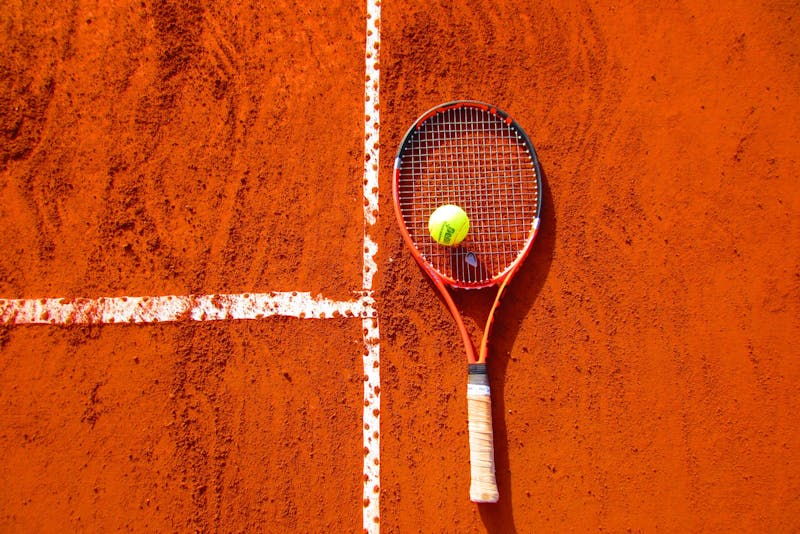
The obvious risk is that a slice that sits up instead of skidding is a gift, and that gap between the two is small and depends on contact point and on the surface. On a grippy clay court the skid mostly does not happen and the shot loses its point. On grass and on fast hard courts it is close to a weapon.
Which also explains why the slice looks like a period piece on some tours and a live tactic on others.
It is the same shot. The court decides whether it is a good idea.
How did you feel about this article?
Related Articles