A spinner who never gets hit over the top is usually a spinner who has stopped trying to take wickets.
Flight is a boundary worth conceding
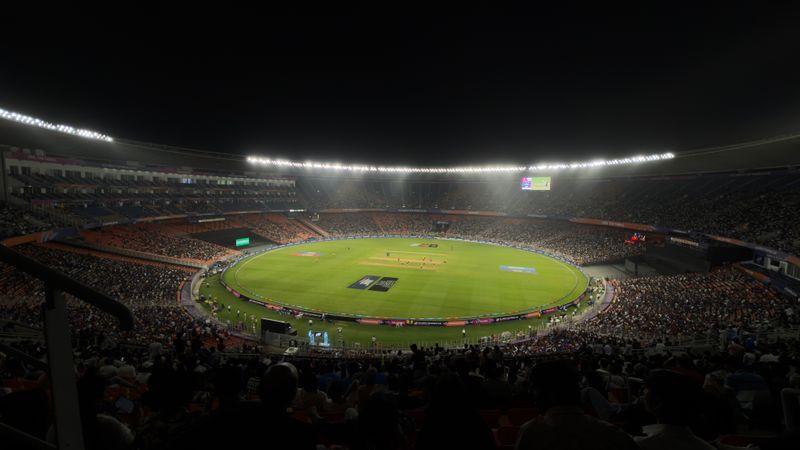
Ask a spinner why he pushed one flat outside off and he will tell you the batter was coming at him. Ask him again after the game and you get the honest version, which is that he did not want to be hit for six in front of thirty thousand people and a camera.
I have a lot of sympathy and I still think it is the wrong choice, because flight is the only weapon a finger spinner has that operates before the ball lands.
The mechanism is worth stating plainly. A ball with more air under it spends longer in flight, which gives revolutions more time to bite sideways, and it arrives at a steeper angle, which changes where it pitches relative to where the batter thought it would. Both effects attack the batter's foot movement rather than his bat. Take the air away and you are left with the ball's behaviour off the surface alone, which on a flat day is nothing at all. A flat spinner on a flat pitch is a medium pacer with worse pace.
The cost is real. Slower through the air means more time to advance, and a batter who gets to the pitch of a flighted ball will hit it a long way. That is the trade and I would take it every time, because a six costs six and a wicket in a limited overs middle order is worth substantially more than six, particularly if it brings in someone who has not faced spin all series.
There is a scoreboard illusion working against this. Economy rate is published, wickets are published, and the two are compared as though they were opposing virtues. A spinner who goes at seven and takes three is having a better night than one who goes at five and a half and takes none, and everyone knows this in the abstract while the same commentary asks him to tighten up as soon as one goes over the rope.
The captain matters more than the bowler here. Field settings say what is actually wanted. A long on and a deep midwicket in place before the over starts tell a spinner he is allowed to buy a wicket. Two men out on the sweep and a ring saving one tell him not to bother.
Give him the boundary riders and then let him lose. The alternative is forty flat deliveries and a bowling figure nobody remembers.
How did you feel about this article?
Related Articles